 Sports Business Brand Latest Brand News, Sports, Entertainment, Marketing, Sponsorships


By OJEIKERE AIKHOJE
Spain’s World Cup triumph is more than a football achievement; it is also a captivating confirmation of sports geography in action.

Sports geography examines the relationship between place, space, and sporting activities.
The victory reflects how the geographical distribution of talents, football clubs, training facilities, regional identities, and talent development systems can shape success from local to the global stage.
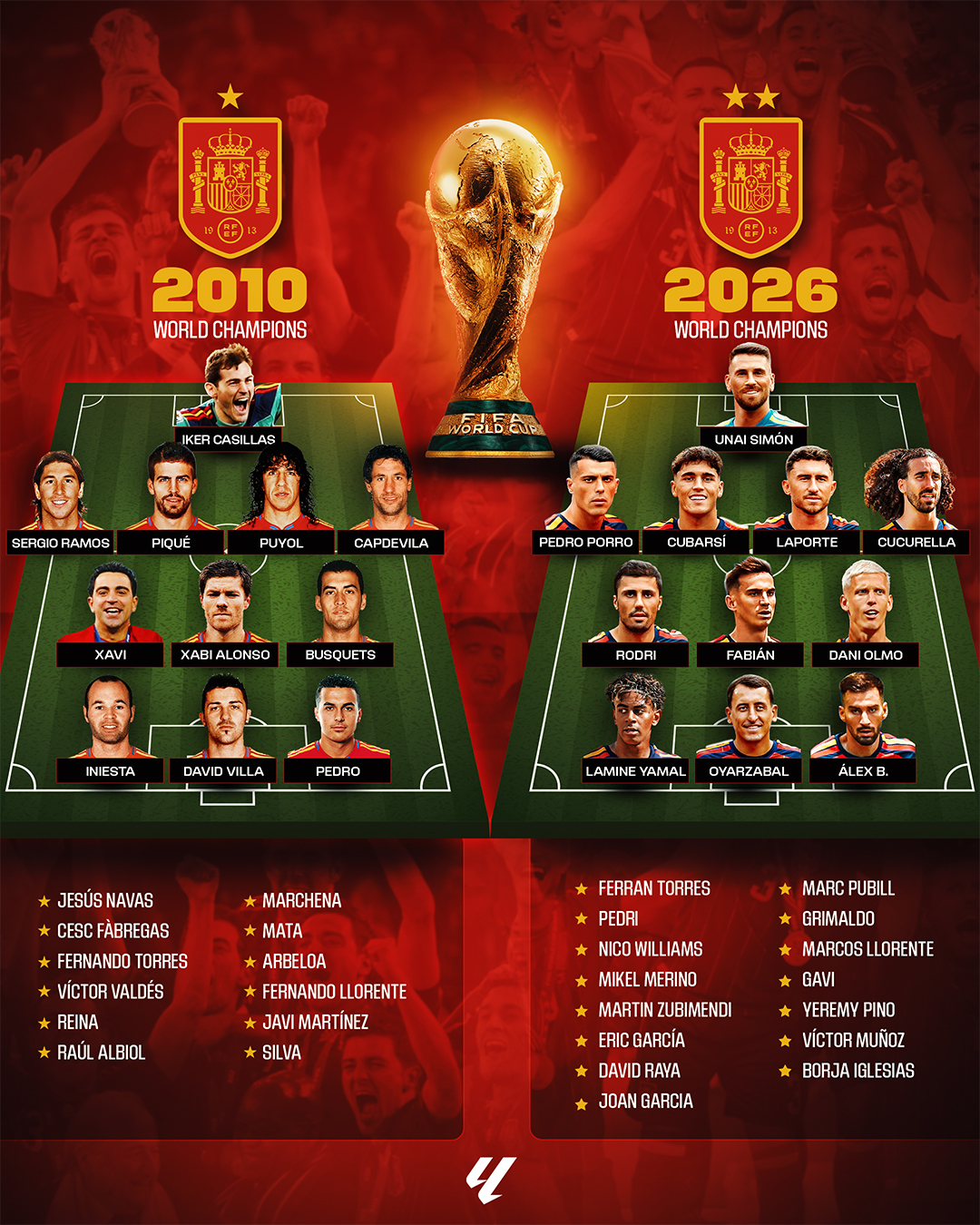
Distribution of Spain’s National Team players
Out of the 26 players who won the World Cup for Spain, only 9 play outside La Liga, the remaining 17 play for La Liga clubs.
The 2010 winning squad in South Africa had only three players from outside La Liga, reinforcing the fact that the Spanish football ecosystem contributes to the development of the national team players.
FC Barcelona has the largest contingent of eight players, while Real Sociedad and Celta Vigo have one player each.
La Liga and development of elite players
Spain’s top professional football league has long served as a nationwide platform for developing elite players.
Catalonia had the highest collection.
Clubs spread across regions such as Catalonia, Andalusia, the Basque Country, Valencia, Madrid, Navarre and Galicia contribute to a geographically diverse football ecosystem. This broad network ensures that talent is identified and nurtured regardless of where players are born, strengthening the national team.
In Spain, football is deeply rooted in local communities, where clubs often reflect regional cultures and identities. This connection encourages grassroots participation while creating pathways from local academies to professional football.
The fact that many members of Spain’s World Cup-winning squad emerged from renowned academies such as FC Barcelona’s La Masia, Real Madrid’s youth side, Castilla, alongside players developed by clubs such as Athletic Bilbao, Real Sociedad, Villarreal, Sevilla, and Valencia, underscore the La Liga impact.
The squad’s only foreign-born player, Aymeric Laporte, eventually moved to Spain in 2010 to continue his development. Laporte captained France’s Under 17, Under 18, Under 19 and Under 21 sides.
Although Laporte played for France at youth level, he switched to Spain after spending time at Bilbao’s B side.
La Liga academies are strategically distributed across the country, providing opportunities for young athletes from different regions to develop world-class skills.
Spain’s success on the international stage has again highlighted the strength of LALIGA’s academy ecosystem, with the country’s FIFA World Cup triumph built almost entirely on players developed within Spanish professional club structures.
According to fcbusiness.co.uk, “Of the 26 players who lifted the trophy in New Jersey, 25 came through LALIGA club academies. The only exception, David Raya, who left Spain for England at the age of 16, making the squad’s development profile a striking endorsement of the country’s long-term approach to talent production.
“While Spain’s recent success at UEFA EURO 2024 and the FIFA World Cup reflects an outstanding generation of players, it also points to the wider football business infrastructure behind them: investment in coaching, competitive pathways, methodology, education and club-led academy operations.
“That framework has been reinforced by LALIGA’s National Plan for the Optimisation and Improvement of Youth Academies, launched in 2022 as a collective strategy to raise standards across professional club academies in Spain.
“The plan is designed to support sporting excellence, professionalise academy structures, strengthen player welfare and help clubs build more sustainable development models. It also reflects the growing importance of academies as strategic assets for clubs, rather than simply cost centres.”
La Liga’s dominance of World Cup Individual Awards
La Liga’s dominance was further reflected in the tournament’s individual honours.
Three of the four individual awards were won by a player representing a La Liga club, underscoring the league’s influence as a hub for elite football talent.
This remarkable achievement highlights not only the quality of Spain’s domestic competition but also the geographical concentration of world-class football development within the country.
Interestingly, the only award won by a player outside La Liga went to a Spanish player who was developed at youth level in Spain.
Player Of The Tournament: Rodri (Manchester City FC)
Highest Goal Scorer: Kyrian Mbappe (Real Madrid)
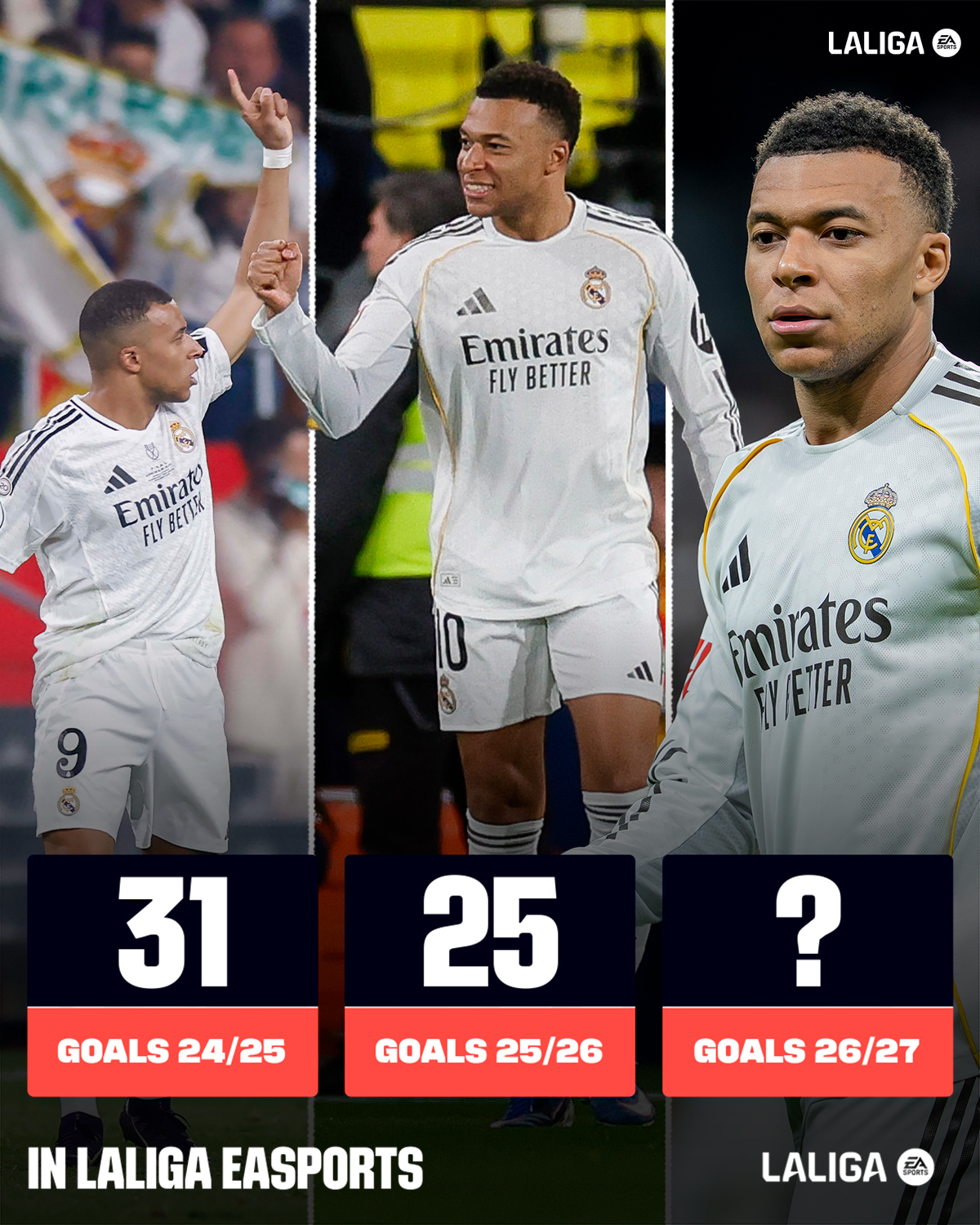
Best Young Player: Cubansi (Barcelona FC)
Best Goalkeeper: Unai Simon (Athletic Bilbao FC)
La Liga’s impact in Argentina’s squad
The fact that finalists, Argentina has a rich La Liga influence further underpins the its impact.
Argentina’s most influential player in the last two decades, Lionel Messi, was developed in Barcelona’s famous nursery, La Masia. Messi’s football was made in Catalonia!
Six other players are based in Spain with the quintet of Giuliano Simeone, Julian Alvarez, Thiago Ezequiel Almada, Nahuel Molina Lucero and Juan Musso, playing for Athletico Madrid.
Giuliano’s father, Diego, Simeone, played for the same club and is in the La Liga history books as the club’s longest serving coach since 2011.
The feat makes him the second longest serving coach in Europe.
Giovani Lo Celso plays for Real Betis.
Unlike the others, Nico Paz, was born in Spain, when his father played in La Liga and has a Spanish mother.
He learnt his football with Spanish clubs and spent some years as a professional at Real Madrid before leaving for Italy.
La Liga also attracts international players and coaches, exposing Spanish footballers to diverse playing styles and tactical innovations. This geographical exchange of talent enhances the league’s competitiveness and prepares Spanish players for the demands of international tournaments.
Geographical Inclusive System
International recognition extends beyond the football pitch, highlighting the role of geography in shaping cultural, political, and sporting relationships.
Spain’s World Cup success therefore demonstrates that sporting excellence is rarely accidental. It is built upon a geographically inclusive system of talent development, regional diversity, quality infrastructure, and sustained investment in football education.
For students of sports geography, Spain’s achievement offers an excellent case study of how geography influences sports development, national identity, and international success.
It shows that where talent is nurtured, how opportunities are distributed, and how regions contribute to national goals, are all important geographical factors behind becoming world champions!
OJEIKERE AIKHOJE has over 20 years experience in Sports Business and is Publisher of SportBusiness & Brands Magazine.
He writes about Sports Business and Sports Geography. He is founder of Nigeria’s foremost League Awards: League Bloggers Awards (LBA), the Sports Industry Awards Nigeria (SIA Nigeria) and MatchRoom Football Business Institute.
You can reach him at ojeikereaikhoje@gmail.com