 Sports Business Brand Latest Brand News, Sports, Entertainment, Marketing, Sponsorships

By OJEIKERE AIKHOJE

Ikorodu City players celebrating their Lagos FA Cup title
Ikorodu City FC’s recent triumph in the 2026 Lagos FA Cup, securing their third title in four years does more than underline their dominance on the pitch.
A 1-0 victory was all Ikorodu needed to defeat G12, while FC Robo Queens sealed an emphatic 4–0 victory over Ghetto Tigers, in the Women’s finals.
It signals a broader shift; the repositioning of Lagos as a serious football market and a case study in how cultural storytelling can enhance the commercial and brand value of a competition.
With strong performances in the 2025/26 Nigeria Premier Football League season, Ikorodu City FC is helping to rebuild Lagos’ football identity.

Historically, the state was a powerhouse, home to legacy clubs like FirstBank, NEPA, Stationery Stores, Obanta United (later VIP Professionals) and Julius Berger. However, Lagos eventually lost its top-flight visibility.
MFM FC provided a ray of hope at some time and was relegated.
Recent promotions and the return of clubs like Sporting Lagos and Inter Lagos now set the stage for renewed local rivalries, an essential ingredient for fan engagement and commercial growth.
Beyond the Game: Branding through cultural storytelling
Modern sports branding goes far beyond matchday results. It’s about narrative, identity, and emotional connection and this is where the Lagos FA Cup is evolving strategically.
A deliberate attempt to connect it to the Eyo Festival, which is a Yoruba festival unique to Lagos sets the stage for new conversations.
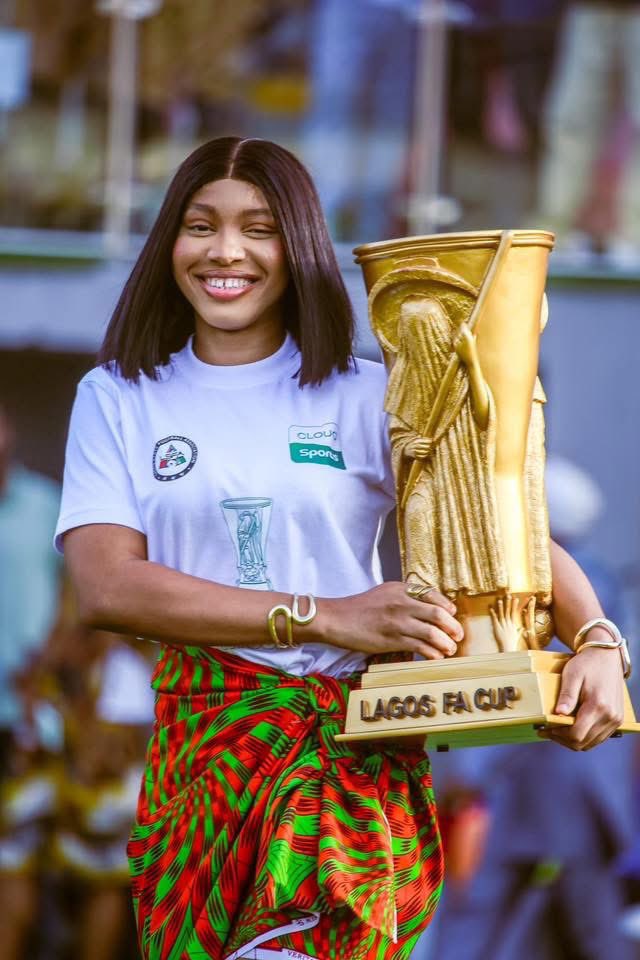
The introduction of the Eyo-inspired trophy, unveiled by the Lagos State Football Association in partnership with Cloud Sports, is a deliberate branding move. Rather than a generic piece of silverware, the trophy embodies Lagos’ cultural heritage through the symbolism of the Eyo masquerade.
This transforms the competition into more than just a tournament, it becomes a storytelling platform.
Ikorodu City FC, as the first winners of this newly designed trophy, are now part of that story. Their victory is not just a sporting milestone; it is tied to a larger cultural narrative that resonates with local identity and pride.
Why culture matters in sports business
From a business perspective, integrating cultural elements into sports assets creates differentiation in a crowded entertainment landscape. It offers:
- Stronger emotional engagement: Local fans connect more deeply when competitions reflect their heritage.
- Unique brand positioning: The Lagos FA Cup now stands out with a distinct visual and cultural identity.
- Commercial appeal: Sponsors and partners are more likely to invest in properties with compelling narratives.
- Community alignment: Grassroots football becomes more meaningful when it reflects local traditions and symbols.
The Eyo-themed trophy exemplifies how design and symbolism can drive conversation, increase visibility, and elevate perceived value. It effectively turns a trophy into a brand asset.
Visibility
With the broadcast deal by Cloud Sports, matches were streamed live which boosted visibility for players and clubs.
Lagos had the highest number of participating teams in the men’s events with 77 clubs competing for the title won by Ikorodu City.
Rebuilding “Brand Lagos” through football
There is a growing alignment between sport, culture, and city branding.
Lagos has long been known for its vibrant arts and culture scene; integrating that identity into football creates a unified brand story.
By innovating at the grassroots level, the Lagos State Football Association is setting a template for other regions: football competitions can serve as cultural touchpoints and economic drivers when positioned correctly.
As Lagos derbies return and local clubs gain prominence, the foundation is being laid not just for sporting success, but for a sustainable football ecosystem, one where culture, commerce, and competition intersect.